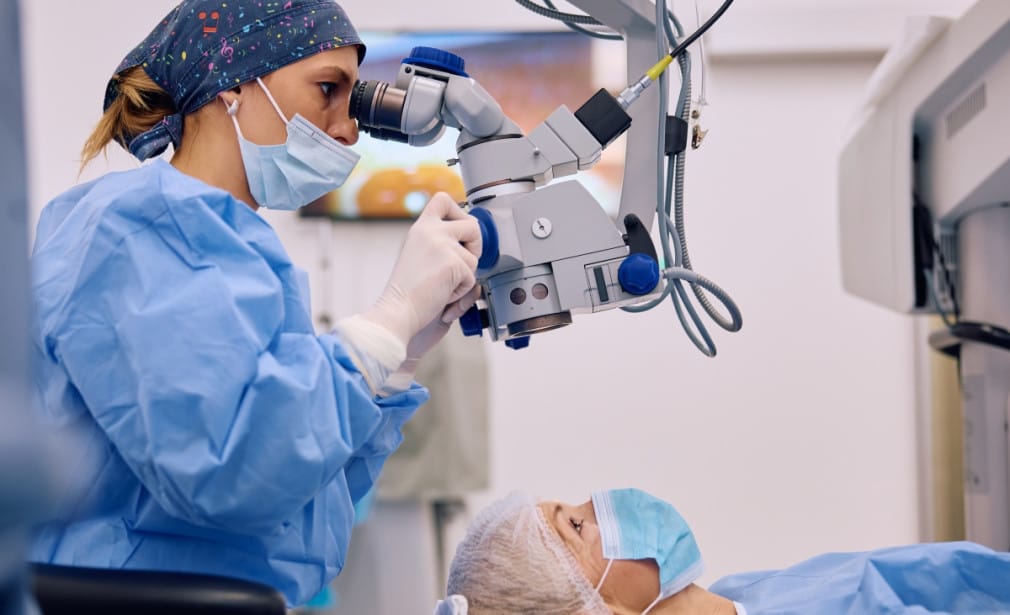
Retina Treatments

Retina Treatments: Protecting Vision and Eye Health The retina is a vital part of the eye responsible for converting light into nerve signals that the brain interprets as visual images. Retina treatments aim to address various conditions affecting the retina to preserve vision, slow disease progression, and improve overall eye health. These treatments range from medications and injections to surgical procedures and lifestyle modifications.

1. Common Retina Conditions

Retinal Detachment: Occurs when the retina separates from its normal position and can lead to potential vision loss if untreated. Age-Related Macular Degeneration (AMD): Affects the macula (the central part of the retina) and causes central vision loss. Diabetic Retinopathy: Results from damage to retinal blood vessels due to high blood sugar levels, leading to vision impairment. Retinal Vein Occlusion: Blockage of retinal veins causing swelling and vision loss. Epiretinal Membranes: Thin layers of scar tissue forming on the retina’s surface that can distort vision.

2. Medical Treatments

Anti-VEGF Injections: These injections target vascular endothelial growth factor (VEGF), which contributes to abnormal blood vessel growth in conditions like AMD. Common medications include Aflibercept (Eylea), Ranibizumab (Lucentis), and Bevacizumab (Avastin). Corticosteroids: Used to reduce retinal inflammation and swelling, commonly for macular edema. Antioxidant Vitamins: For dry AMD, a combination of vitamin C, vitamin E, beta-carotene, zinc, and copper may help slow disease progression.

3. Surgical Treatments

Laser Photocoagulation: Uses laser burns to seal leaking blood vessels in the retina and reduce swelling. Vitrectomy: A surgical procedure that removes the vitreous gel to access and treat the retina. Scleral Buckling: A silicone band is placed around the eye to gently push the sclera inward and help reattach the retina. Cryopexy: Freezing therapy used to create a scar that holds the retina in place.

4. Lifestyle and Dietary Changes

Nutrition: A diet rich in leafy greens, fish, and antioxidants supports retinal health. Regular Eye Exams: Early detection of retinal conditions is crucial for effective treatment and vision preservation. Smoking Cessation: Smoking worsens retinal diseases, so quitting is highly recommended.

5. Emerging Treatments

Longer-Acting Anti-VEGF Drugs: New formulations aim to reduce the frequency of injections. Gene Therapy: Experimental treatments aimed at correcting genetic defects causing retinal diseases. Stem Cell Therapy: Research into using stem cells to repair and regenerate damaged retinal cells.

Conclusion

Retina treatments are essential for maintaining eye health and preserving vision. Whether through medical interventions, surgery, or lifestyle adjustments, these therapies address various retinal conditions and aim to improve quality of life for those affected. Consulting a qualified ophthalmologist is crucial to determine the most appropriate treatment plan based on individual needs and conditions.